





Climate change in Oregon
First of all, let’s start by stating the obvious: the climate has and will always change naturally. A variety of factors can determine seasonal temperatures, sea levels and atmospheric CO2 and, as always, nature responds and adapts to these changes accordingly.
That being said we cannot deny that our misuse of the Earth’s natural resources have paid a toll on our wonderful blue planet and it doesn’t take rocket science to see that our lack of consciousness to keep the oceans clean, the air pure and the land green affects life of all forms, ultimately jeopardizing our own human existence.
Whichever name we give it, climate change is something the current and future generations will inevitably have to learn to live with. In order to preserve and restore what we have, an understanding of what we’re up against proves essential – though it need not be from an apocalyptic approach.
For Oregonians looking to see how climate change could affect their way of life, we’ve put together a list of some of the biggest climate changes already noticeable and being felt in the Beaver State.
Water availability. Warmer winters have reduced the average snowpack in the Cascades by 20% since 1950 and the snowpack is already melting a few weeks earlier than it did during the 20th century. Decreasing snowpack means less water flowing through streams during summer which could harm some economic sectors and aquatic ecosystems. The combination of warmer water and lower flows would threaten salmon, steelhead and trout and less snow means a shorter season for skiing and other winter activities.

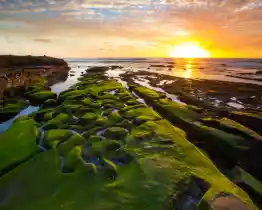
Marine and coastal ecosystems. Oregon’s coastal waters are vulnerable to acidification and increased acidity can impair the ability of some shellfish to build strong shells resulting in thinner shells or preventing shell formation altogether. Acidity also thins the exoskeletons of many species of plankton which could reduce their population and that of the fish that feed on them, altering entire marine food webs.
Toxic algae blooms can increase in frequency which could lead to closures of beaches and shellfish poisoning and species may begin to invade northward from southern waters.
Human homes will also be threatened if sea levels continue to rise as they are eroding coasts and displacing thousands of people from their homes. As wetlands and beaches become submerged, the habitat of many birds and fish will be gone.
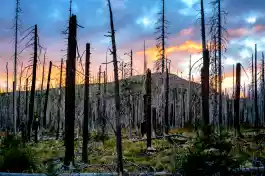
Wildfires and landscape changes. Since 1984 about 4% of the land in Oregon has burned per decade and the number is likely to increase. A combination of factors play their part including higher temperatures and drier soils. Increased temperatures along with a lack of water can make trees more susceptible to pests and disease which burn more readily than healthy trees.
The drier condition and wildfires may expand deserts and extend the geographic range of the Great Basin desert. Many animals and plants living in arid lands are already near the limits of what they can tolerate.
Agriculture. Higher temperatures may pose challenges for crops and livestock reducing crop yields, availability of water for irrigation and slowing down animal production,
Environment and Health. Children, the elderly, the sick and poor are all more vulnerable to suffer the consequences of environmental changes of which higher frequency of heat waves and air pollution are of biggest concern.
Conclusion
Climate change presents unprecedented challenges for Oregonians but these challenges can be addressed by taking proactive measures to make them more manageable. If policy makers, businesses and residents work together in reducing emissions and changing what is already in their power to do, the Earth will respond with an equal amount of love.
DISCOVEROregon