












6 natural and homemade insecticides that actually work
Growing a garden is an exciting and rewarding process. Be it a small balcony garden or home farm, there’s nothing so pleasing as to see new shoots, flowers or crops lusciously thriving in front of your eyes, but such a feast cannot go unnoticed to others.
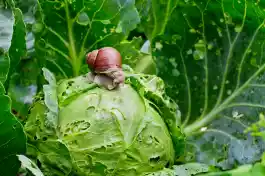
What to do when pesky bugs reach the dinner table before you?
It’s frustrating to see your hard work get sabotaged by a party of insects whose members seem to multiply by the day, or quite literally fatten by the hour feeding on your leafy greens.
So now comes the dilemma. Do you use a chemical insecticide that will quickly remove the invaders but pose a threat to the health of the soil, harm the environment, potentially your own health and risk the well-being of pets and other beneficial animals and pollinators OR do you try your hand at something natural?
When you put it like that, the decision is pretty easy to make and if you’re looking to save even more green why not try making something yourself?
Here’s our list of 6 natural and homemade insecticides you can start using in your garden today and that actually work.
Soapy spray

One of the most popular natural insecticides amongst gardeners. Though highly effective for mealy-bugs, earwigs, aphids, scales, thrips, chiggers, fleas and mites; this spray is ineffective on beetles and caterpillars.
Ingredients
- 5 tablespoons natural soap
- 1 gallon of water
- 2 tablespoons baking soda
Mix and spray on plants abundantly. If you add a tbsp of cooking oil into the mixture it will cling better to leaves.
How it works
soapy water works so well because it penetrates the cuticles of insects causing drying and a collapse of their cells. It also suffocates soft-bodied insects.
Tips
- Do not use dish soaps, detergents or synthetic degreasers.
- Some plants can be sensitive to oil. Test first on a few plants and if no adverse effects are noted after 24 hours such as wrinkling, browning or spotting, apply more.
- Beans, peas, cucumbers, ferns and gardenias can be sensitive to soap sprays.
- If you add a few drops of lemon or orange essential oils the insecticide will be particularly effective against ants.
Neem oil

Made from the seeds of neem trees native to India, this age-old remedy has many uses and is known for its anti-fungicide and insecticide properties. Neem oil is easy to purchase from stores with gardening supplies and is non-toxic to humans, pets and birds. It is excellent at repelling aphids, mites, scale and other small, soft-bodied insects.
Ingredients
- 2 teaspoons pure, cold-pressed Neem oil
- 1 teaspoon soap
- Approx ¼ gallon of water
Let sit for an hour, shake well and spray the affected foliage of your plants. 1-2 treatments is usually enough. To not jeopardize the bees do not use excessively.
Note that some children can be hypersensitive to this oil. If you have sensitive children at home
How it works
The oil acts as a disruptor of insect’s hormones and prevents them from feeding normally. The insect’s life cycle, including all stages of their development is destroyed.
Epsom salt

Epsom salt (magnesium sulfate crystals) is a natural occurring mineral with multiple uses around the home and garden. Though opinions are mixed, many gardeners swear by it. Its inexpensiveness and easy availability make it worth a try however.
Ingredients
- Epsom salt
Simply purchase a bag of Epsom salts and sprinkle around plants.
If you prefer sprays, dissolve 1 cup of Epsom salt in 5 gallons of water, pour the dilution into a bottle and apply on foliage attacked by pests.
How it works
Dry Epsom salt sprinkled in a narrow band around plants is said to be an effective means of slug control as it abrades the skin of the slugs causing them to dry up and die.
Some popular gardening websites also claim that a thin line of dry Epsom salts can safely be sprinkled directly in or alongside a row when planting vegetable seeds. It can then be reapplied every couple of weeks.
Diatomaceous earth

This natural solution is useful for insects of all kinds. It can be sprinkled as it is onto soil or around vegetation with pest problems. For best results reapply it after every rain.
Ingredients
- Diatomaceous earth
How it works
Consisting of diatoms (single celled algae) Diatomaceous earth is in fact sedimentary rock, among other things it is used as an insecticide thanks to its abrasive nature which absorbs the lipids of insect exoskeletons. Consequently, it dehydrates bugs to their death.
Garlic-Chili spray

Garlic is an excellent agent for pest control including ants, aphids, caterpillars, whiteflies, beetles, termites, borers, slugs and armyworms. Pepper is traditionally used against cabbage loopers, leafhoppers, Japanese beetles, aphids, slugs and borers.
Ingredients
- 1 head garlic
- 1 small peeled onion
- 1 teaspoon powdered cayenne pepper
- 3 mint leaves (fresh or dried)
- 4 cups water
Method
Chop garlic and onion in a large saucepan, add the cayenne pepper, mint leaves and water. Boil the mixture and leave to sit for 12-24 hours. Strain and pour into a spray bottle. Use as needed. This mixture can be refrigerated for up to one week.
How it works
With its pungent aroma and natural antibacterial, antifungal and antiviral properties, garlic is an excellent pesticide. It contains compounds such as diallyl trisulfide and diallyl disulfide that irritates insects and can even be deadly for them. Most bugs simply can’t stand the smell of garlic and cayenne pepper
Essential oil spray

This easy to mix spray uses a 1:1:1 essential oil ratio, water and soap and works well on all kinds of bugs.
Ingredients
- Marigold oil
- Rosemary oil
- Peppermint oil
Method
Mix ½ ounce of each oil into a small bottle to make up your “Essential Oil Mix”. Fill a separate container with 1 gallon of water. Add 20 drops of the “Essential oil mix”. Add 5 drops of soap. Place the mix in a 1 gallon pump sprayer or directly mix the ingredients in the pump sprayer from the beginning. Spray plants at early morning and before pests have found your plants. This mix works great as a preventative measure. Re-apply the mix every 2 weeks or as needed.
How it works
Essential oils are condensed versions of their origin and therefore highly fragrant. The fact that they are oils allows them to stick to leaves and not wash off easily. When pests look for a victim they make their choice based on chemical signals, known as pheromones, which are released by plants. The fragrant essential oils mask the smell of the pheromones making the plants a difficult target to recognize. As a result the pests go elsewhere.
Tips
- Marigold oil has been proven to deter aphids, whitefly, nematodes and flea beetles.
- Peppermint oil prevents ants, spider mites and squash vine borer.
- Rosemary oil has been proven to deter aphids, cabbage moth and several types of mites.
Conclusion
As tempting as chemical products maybe sometimes, they are not without their side effects. Natural insecticides are more respectful to the environment and ecosystems and have been proven effective. For best results consistency is key.
DISCOVERSan Diego